Projects
Five projects at various stages, exploring food, spices, entrepreneurship, and social impact.
PROJECT 1
Immersive Culinary Experiences
Design Challenge
How can I create intimate culinary experiences that go beyond traditional cooking classes to engage all the five senses, foster authentic community connections, and reconnect women with the ritual of conscious food preparation?
Design Process
1. User Research & Experience Design: Interviewed 15+ women in Lisbon and mapped their journey from arrival to departure, designing for sensory engagement and emotional connection points.
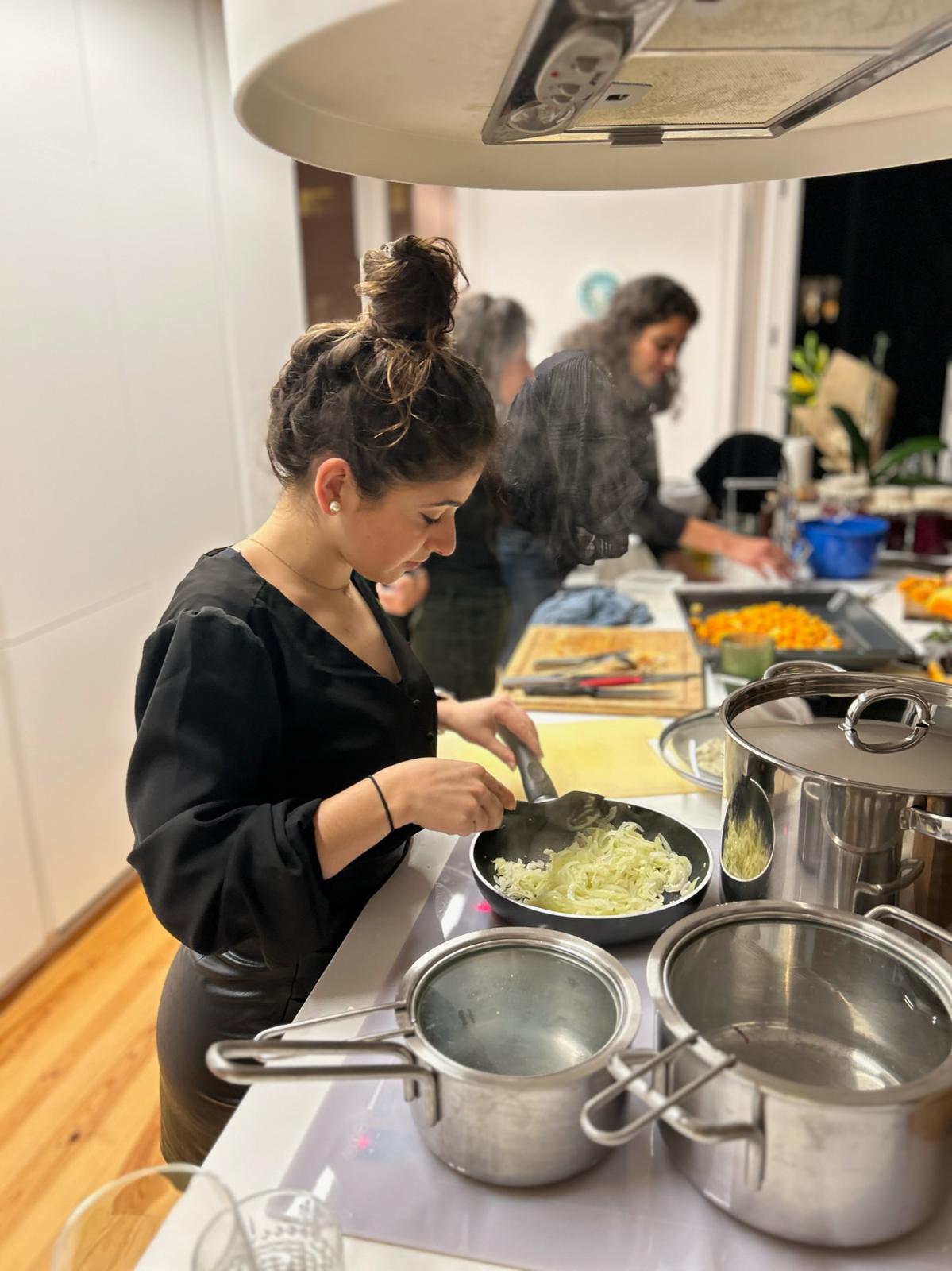
2. Space & Service Design: Transformed my kitchen into an intimate workshop space (6-8 participants) with scalable booking, communication, and follow-up systems.
3. Iteration: Refined format based on participant feedback, adjusting timing, hands-on involvement, and recipe complexity for optimal learning and connection.
Measurable Outcomes
What This Taught Me as a Founder
Creating intimate workshops showed me that scalability doesn't require sacrificing quality or authenticity. By documenting processes, standardizing core elements while allowing flexibility, and training facilitators, this model can expand while maintaining its essence. It also revealed the power of community-building as a business asset - participants become advocates, returning customers, and ambassadors for the brand.
User Feedback
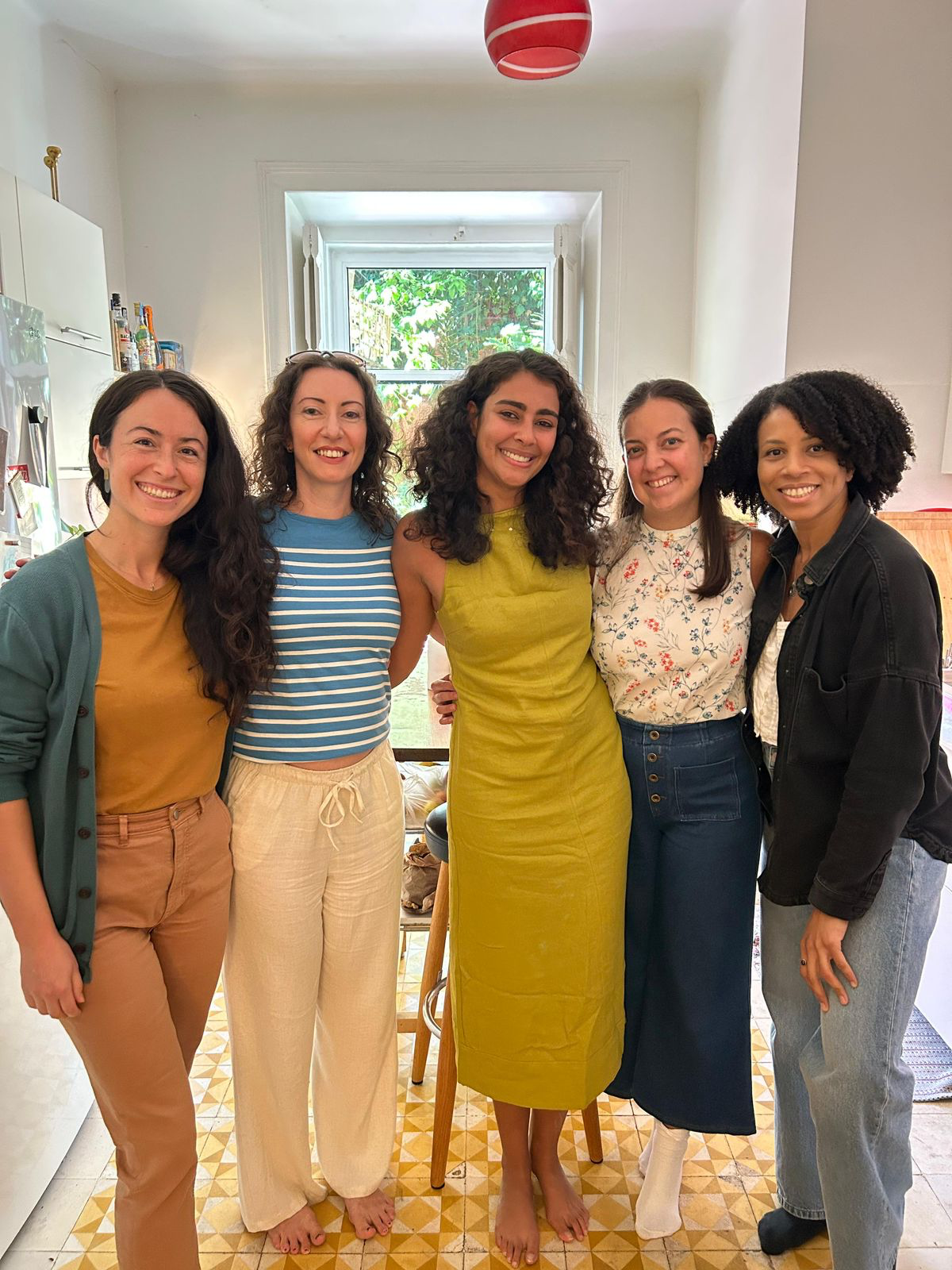
"This wasn't just a cooking class - it was a transformative experience. I left feeling more connected to myself, the food, and the other women in the room." - Shauna, Workshop Participant
"Arwa has a rare gift for helping women reconnect with femininity and confidence through cooking. I'm grateful to have learned from you." - Anna, Facilitator & Coach
Business Model Innovation
The workshop model is designed for scalability and sustainability:
- Tiered Pricing: Accessible €20-30 pricing with optional contribution models
- Hybrid Format: Public and private workshops generate diversified revenue streams
- Franchise Potential: Documented processes enable future expansion with trained facilitators
- Partnership Model: Collaborations with wellness retreats and corporate programs extend reach
PROJECT 2
Sustainable Product Design
Design Challenge
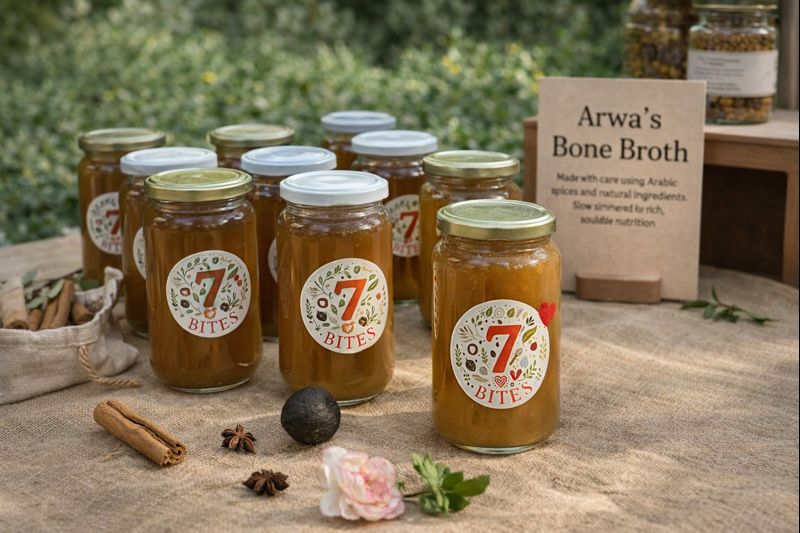
How can I create artisanal nourishment products that are both traditional and accessible, sustainable in production, and scalable as a business while maintaining quality and authenticity?
Product Design Process
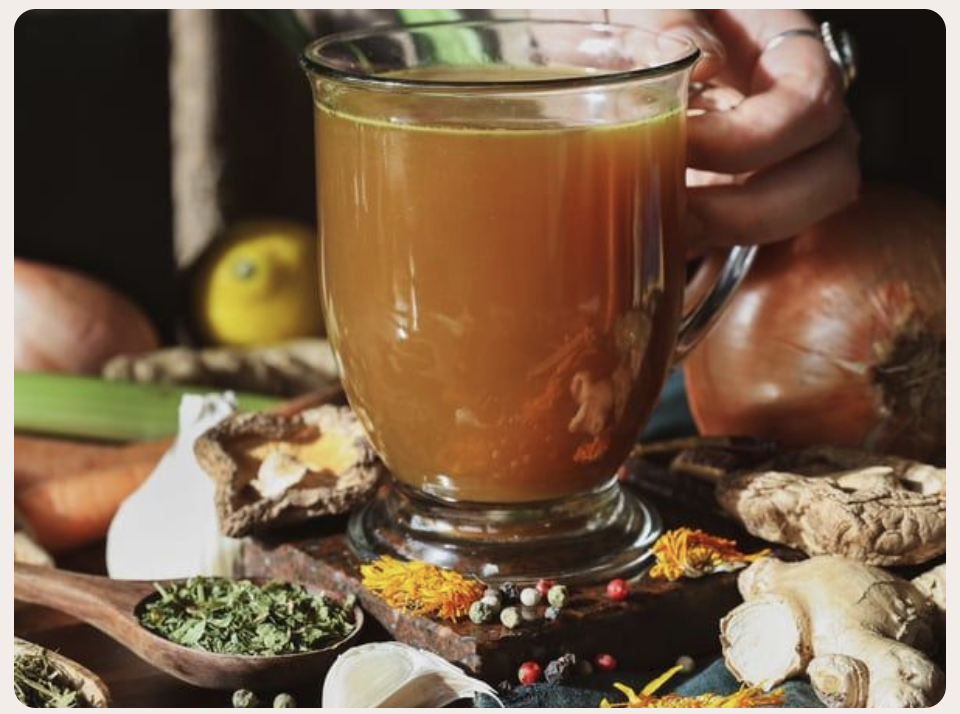
1. Material Research & Brand Design: Sourced local organic ingredients from Portuguese farmers and developed a cohesive visual identity reflecting Middle Eastern heritage and Portuguese simplicity.
2. Production & Testing: Designed small-batch systems (15L → 45L → 75L capacity), conducted taste tests with 25+ users, and refined recipes and portions.
3. Market Validation: Launched at Farmers Markets to test demand, pricing, and preferences before scaling production.
Sustainability Features
- Glass jar packaging for reusability and reduced plastic waste
- Local ingredient sourcing to minimize carbon footprint
- Zero-waste production utilizing all parts of vegetables and bones
- Fermentation processes requiring no refrigeration during storage
- Partnership with local farms for ingredient surplus/waste reduction
Scalability & Innovation
The product line demonstrates entrepreneurial innovation through:
- Modular production systems that can scale from home kitchen to commercial facility
- Multi-channel distribution: workshops, farmers markets, online orders, and future retail partnerships
- Recipe documentation allowing for licensed production by partners in other cities
- Digital cookbook integration creating cross-selling opportunities between products and education
What This Taught Me as a Founder
Developing a physical product line taught me the importance of unit economics, supply chain relationships, and positioning. Testing at farmers markets provided immediate customer feedback and validated willingness to pay premium prices for authentic, sustainable offerings.
PROJECT 3
Cookbook in progress
The Arwa Way: Cooking with Spice, Heritage, and Love
10 Countries, 20 Dishes, 1 Journey
Design Challenge
How can I create a cookbook that goes beyond recipes to become a cultural bridge, translating 20 dishes from 10 different countries through Arabic spice heritage, while integrating product sales into a sustainable, scalable business model?
The Vision
The Arwa Way: Cooking with Spice, Heritage, and Love is a cookbook that reinterprets 20 iconic dishes from 10 countries through the lens of Arabic spice traditions and Arwa's personal cooking philosophy.
The project is grounded in cross-cultural research conducted across Portugal, Italy, Morocco, Turkey, Lebanon, India, Egypt, Saudi Arabia, Jordan, and Greece. Each chapter explores how spices carry heritage, technique, and care, and how traditional dishes can be respectfully translated across cultures without losing meaning or authenticity.
Rather than presenting fusion for novelty, the book positions spices as a cultural language that connects food traditions, personal practice, and everyday cooking.
Design Thinking Process
Cross-Cultural Research
Conducting interviews across 10 countries to understand authentic preparation methods, cultural context, and family traditions behind each dish.
Recipe Translation – The Arwa Way
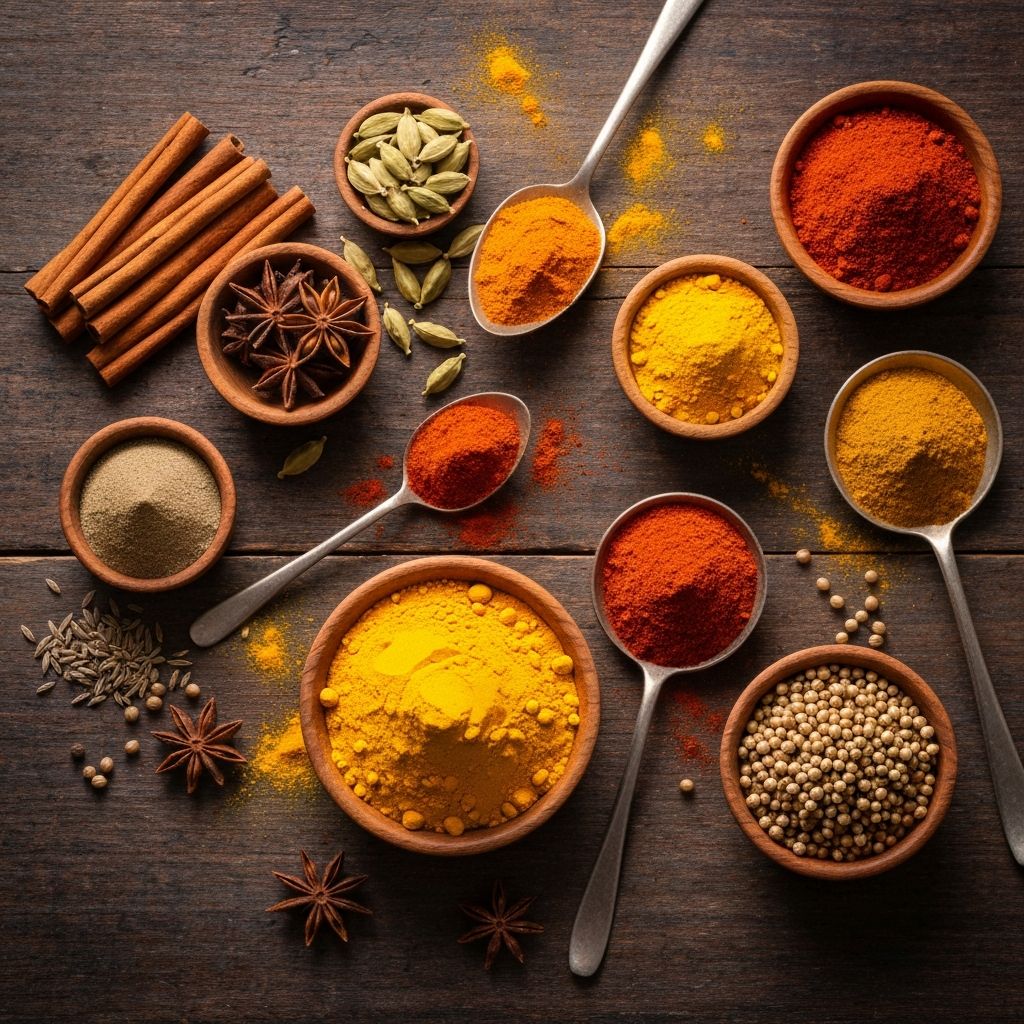
Starting with traditional local recipes, then reinterpreting them through Arabic spice principles, using 10–20 carefully selected spices and fresh herbs to add depth while honoring the original dish.
User-Centered Testing
Testing recipes with home cooks of different skill levels to refine measurements, techniques, and clarity, ensuring accessibility without compromising flavour or integrity.
Storytelling & Heritage Integration
Embedding spice knowledge, cultural context, and personal reflections throughout each chapter, positioning cooking as a practice of care rather than performance.
Business Model Design
Developing an integrated spice system where readers can purchase pre-measured Seven Bites spice blends for each recipe, creating a seamless link between learning, cooking, and product use.
What Makes This Different
Unlike traditional cookbooks that focus solely on instructions, The Arwa Way is designed as a holistic, experience-led system:
Cultural Respect & Empathy
Each dish is approached with respect for its origin, supported by interviews and research that foreground local voices and traditions.
Spice-Led Sensory Design
Detailed spice descriptions, sensory language, and visual storytelling invite readers into the cooking process rather than just the outcome.
Accessibility Through Products
Complex spice blends are made accessible through curated Seven Bites mixes, lowering barriers for home cooks while preserving authenticity.
Entrepreneurial Integration
The book functions as both cultural artifact and entry point to a broader spice-led ecosystem.
Example Transformation
Bolognese - Traditional Italian version🇮🇹
A traditional Italian bolognese slowly simmered with beef, tomatoes, onion, celery, carrot, and herbs, creating depth, comfort, balance and simplicity.
Bolognese - The Arwa Way
A Middle Eastern–inspired bolognese layered with 10 Arabic spices and fresh herbs, finished with yogurt, garlic, and parsley to add warmth, depth, and balance.
Current Status
The cookbook is actively in development, with ongoing interviews, recipe testing, and photography. Each chapter is being carefully crafted to ensure cultural respect, clarity, and usability. In parallel, the Seven Bites spice platform is being developed, allowing readers to purchase curated blends directly linked to the recipes.
What This Taught Me as a Founder
This project has shown me how a single concept can evolve into an integrated ecosystem. A cookbook alone is a one-time interaction, but connecting it to spice products creates continuity, recurring value, and deeper relationships with users. It reinforces my belief that heritage, storytelling, and thoughtful design can differentiate a brand while remaining commercially viable.
These early projects now function as the foundation for my long-term venture ambition: building a globally scalable, spice-led food brand grounded in cultural authenticity and experiential learning.
PROJECT 4
Designing a Scalable, Product-Led Culinary Learning Platform
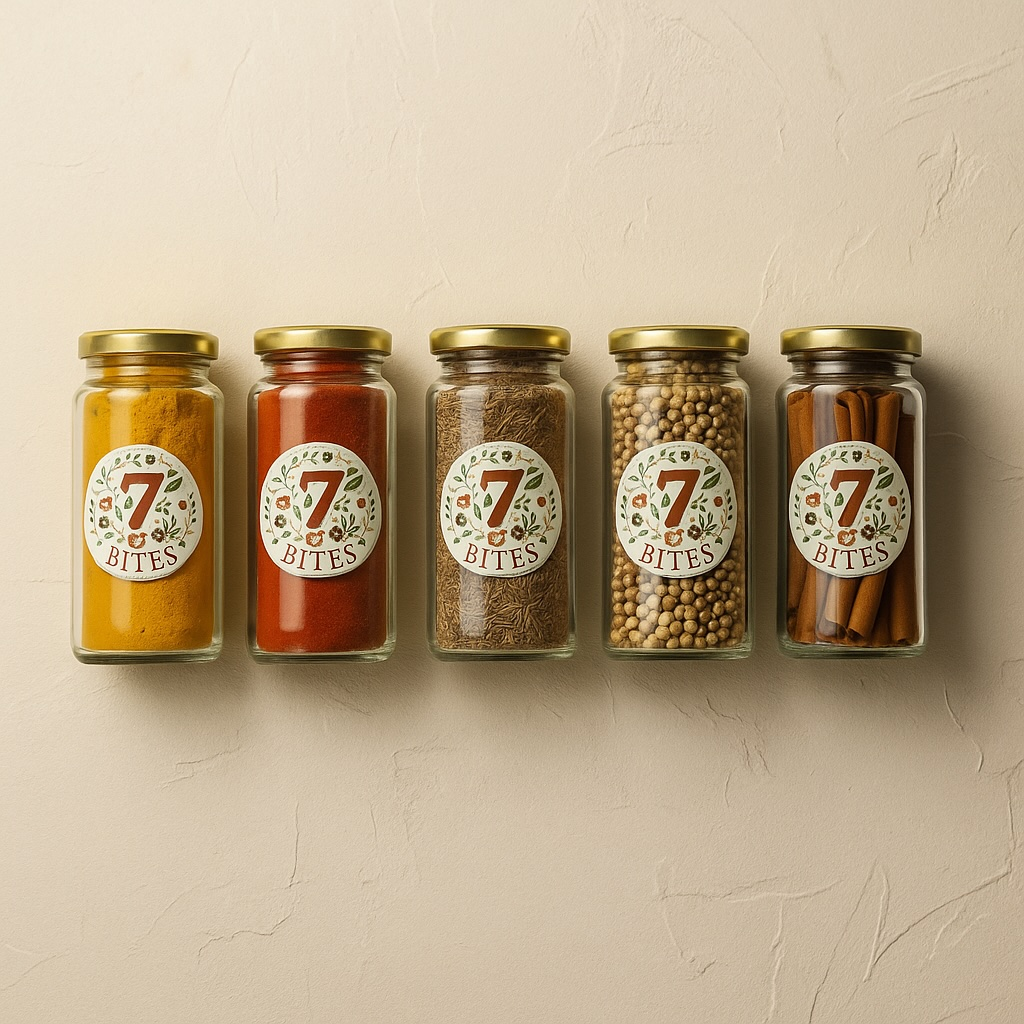
Seven Bites uses spices as the entry point to hands-on learning,
participation, and everyday cooking confidence - not as an end product in itself.
Design Challenge
How can a globally scalable culinary platform combine ethical sourcing, cultural authenticity, and experiential learning, while helping people move from tasting, to understanding, to confident everyday use at home?
Project Overview
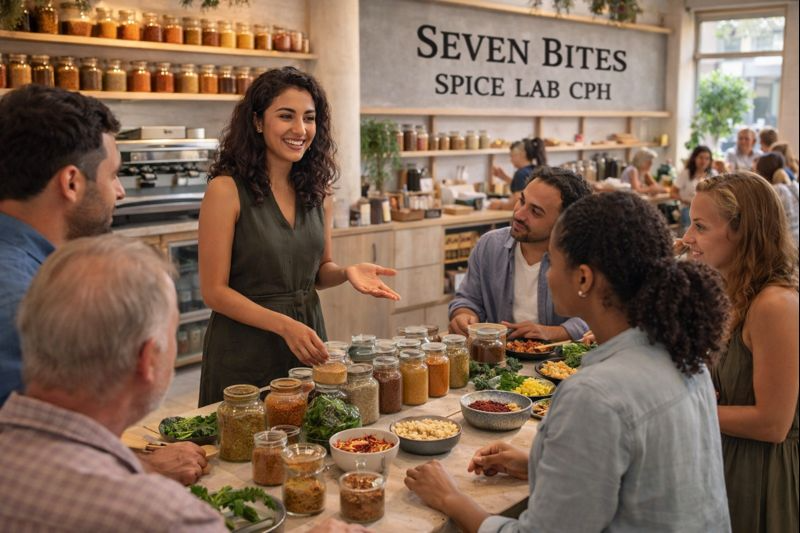
Seven Bites Spice Lab is a product-led culinary learning platform built around organic spice blends and participatory food experiences. Rather than positioning food service as the core business, spices function as the central product, while cooking, tasting, and workshops act as the primary way people learn how to use them confidently in everyday cooking.
The concept integrates Middle Eastern spice traditions into Nordic home-cooking practices, making complex flavours accessible, practical, and relevant. Base ingredients are sourced locally in each country of operation, allowing the model to adapt to local food systems while maintaining a coherent product and learning framework.
The first Spice Lab is planned for Copenhagen as a pilot space, where the model will be tested, refined, and documented before potential expansion.
Core Concept
Seven Bites is designed as a scalable ecosystem structured around products, learning, and participation:
- Spices as the core product: Organic spice blends developed through direct relationships with farmers and producers, grounded in fair trade, sustainable agriculture, and transparent sourcing.
- Learning as the entry point: Physical spaces function as environments for tasting, cooking, and understanding spices through practice rather than instruction alone.
- Participation over consumption: Customers become active participants through workshops and shared meals, building capability rather than simply purchasing products.
Strategic Design Approach
- Product-led strategy: Spices and pantry staples form the foundation and are used consistently across retail, café dishes, and workshops.
- Experiential retail: Buying, tasting, cooking, and learning are integrated into one coherent journey.
- Cultural translation: Middle Eastern spice practices are adapted for Nordic everyday cooking, lowering barriers to use without diluting cultural integrity.
- Phased scalability: The Copenhagen pilot is designed as a replicable model, with documented products, experiences, and sourcing principles that support expansion.
Learning, Women, and Capability Building
Seven Bites functions as a learning environment where women build confidence and practical capability in the kitchen. Through hands-on cooking and shared meals, participants learn to cook intuitively, understand spices beyond recipes, and experience food as a practice of care rather than performance.
The home-like setting supports learning through doing, conversation, and repetition.
Community and Social Dimension
Community participation is embedded into the model. Women from Middle Eastern and Arab communities are invited to host sessions, share recipes, and cook for broader audiences in paid and visible roles. Cultural exchange takes place through shared practice, strengthening trust and relevance across communities.
Offer Architecture
- Retail: Organic spice blends, broths, condiments, and pantry staples
- Spice Lab Café: Seasonal Nordic dishes infused with Seven Bites spices
- Workshops: Cooking sessions, women-centred learning experiences, and group events
- Collaborations: Partnerships with farmers, designers, cultural institutions, and retailers
What This Project Teaches Me as a Founder
This project marks a shift from small-scale experimentation to designing a coherent, scalable platform. It requires integrating sourcing, product development, experience design, and community engagement into a single system, while maintaining cultural integrity and care. The work explores how a values-driven culinary platform can grow internationally without losing authenticity or operational clarity.
PROJECT 5
Seven Bites - Social Impact
Design Challenge
How can we create menstrual health awareness and access to sustainable menstrual products in marginalized communities in India, addressing both the educational gap and economic barriers that keep 1 in 6 girls from attending school during menstruation?
The Problem
In India, menstruation remains a stigmatized topic. Girls often lack information and access to safe menstrual products, leading to shame, embarrassment, and school absenteeism. The statistics are staggering:
- 1 in 6 girls leave school when they get their period due to lack of access to menstrual products and facilities
- Traditional disposable pads are expensive, creating financial burden on families
- Hanging menstrual cloth outside to dry creates guilt, shame, and embarrassment for young girls and their families
- Lack of open communication between mothers and daughters perpetuates stigma and misinformation
Design Solution
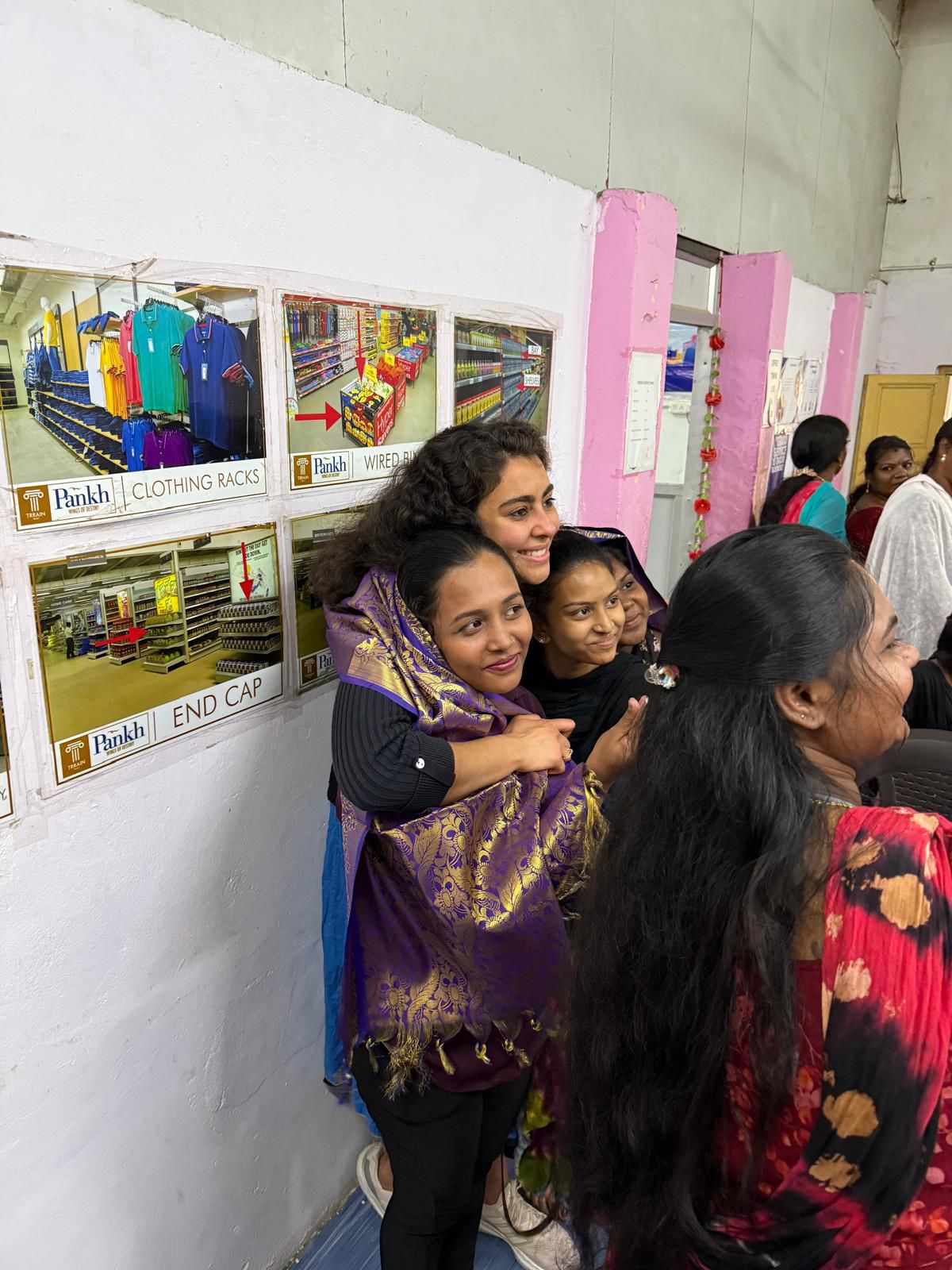
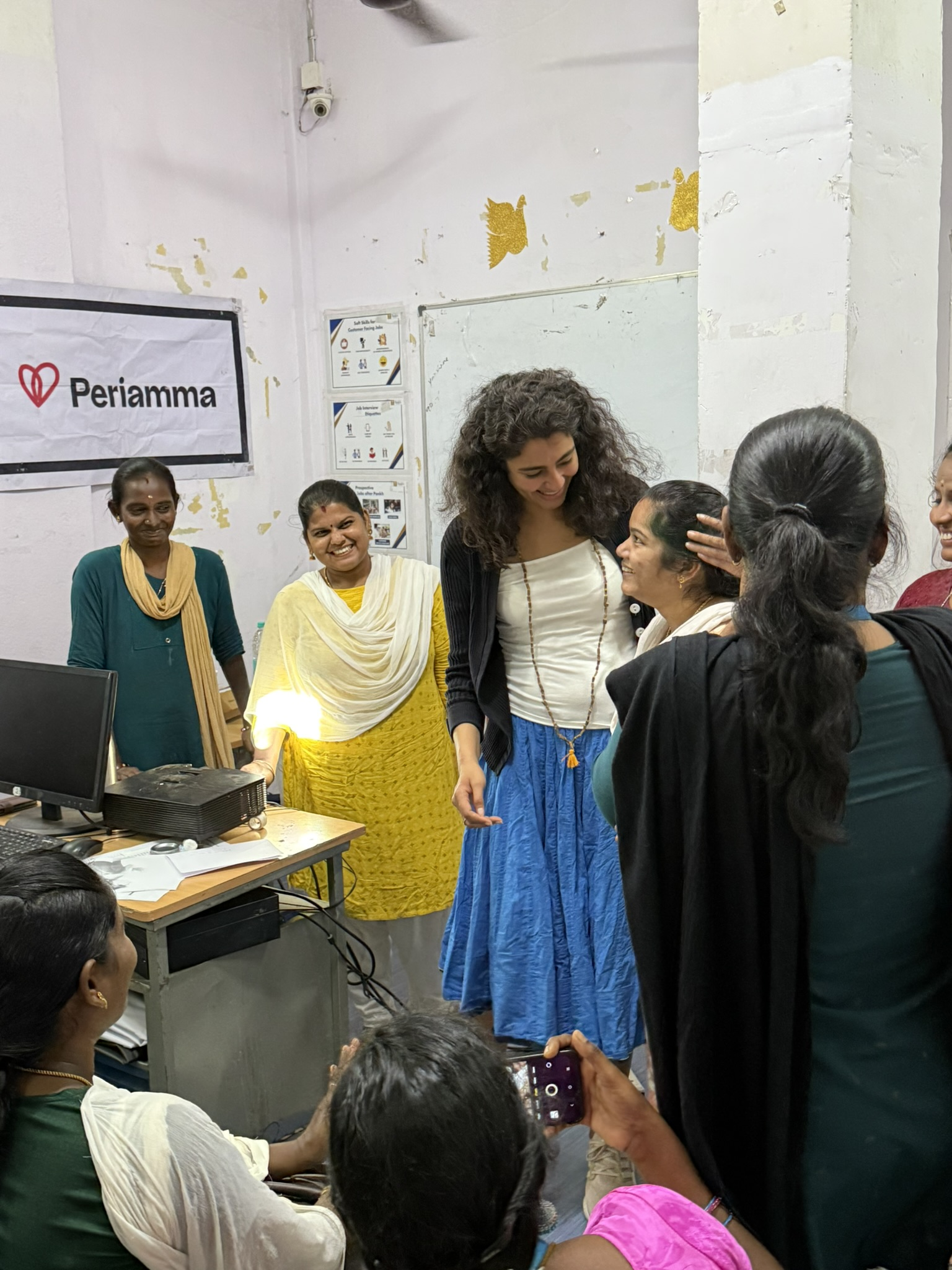
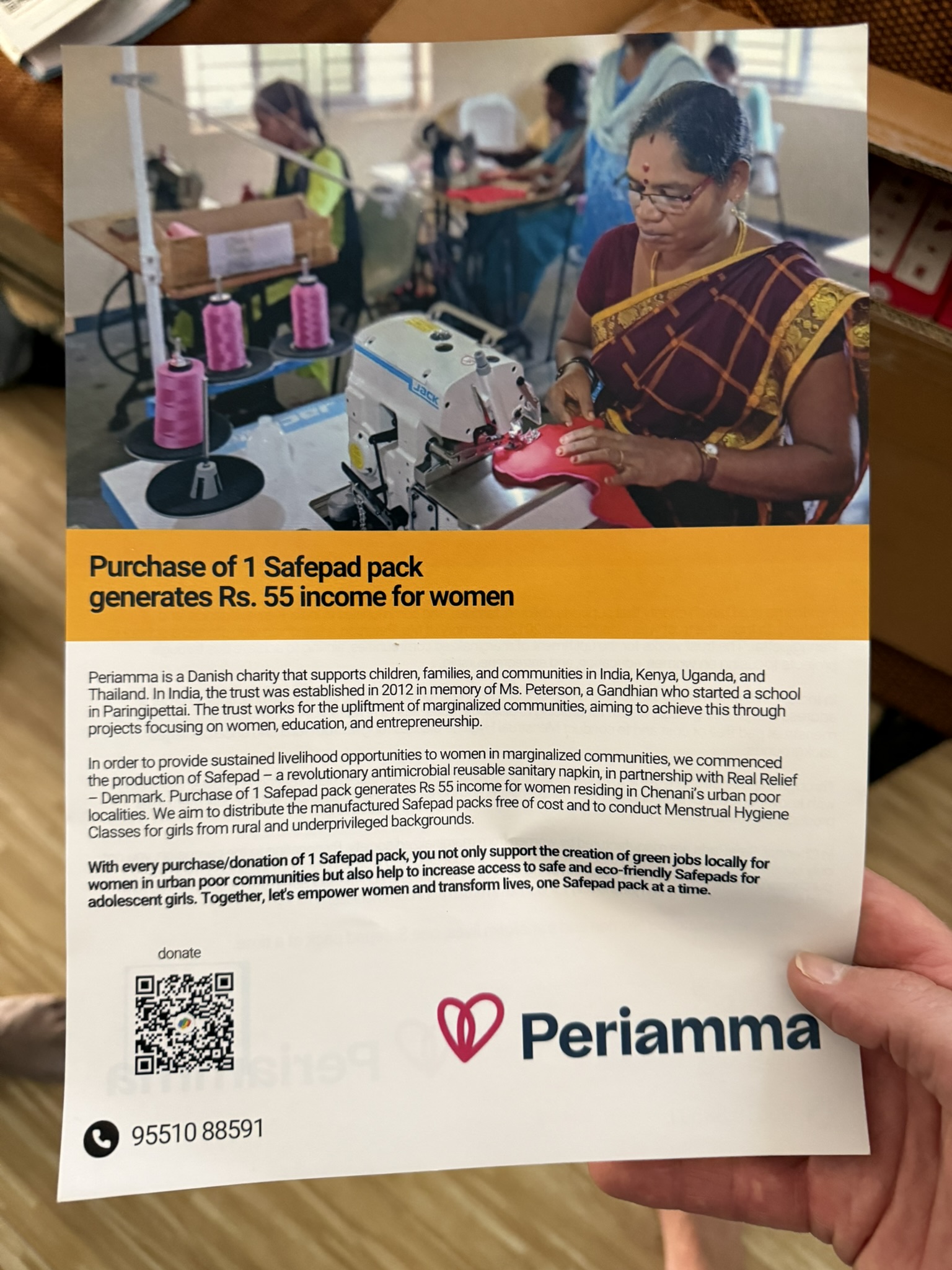
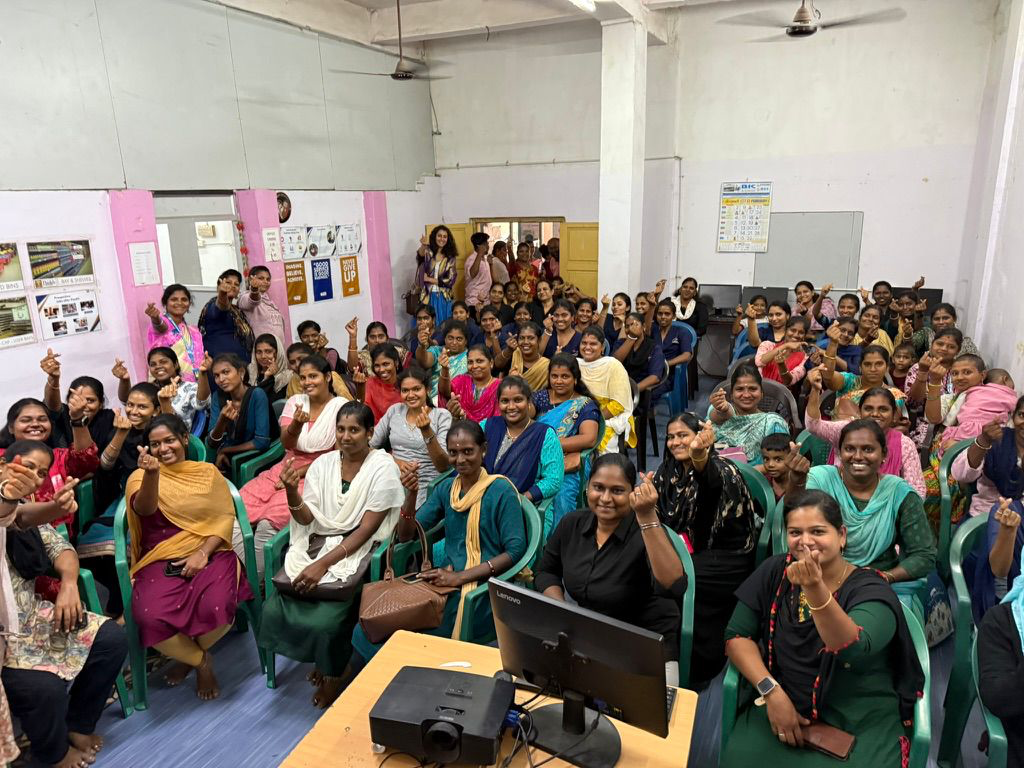
Seven Bites partnered with Periamma, a Danish charity supporting marginalized communities in India, to design and implement menstrual health awareness sessions at 2 local community centers. The program focused on:
1. Community Engagement: Invited mothers and daughters to safe, judgment-free spaces where they could learn together and break the silence around menstruation.
2. Education Design: Created culturally sensitive workshops teaching mothers how to communicate openly with their daughters about menstruation without stigma or shame.
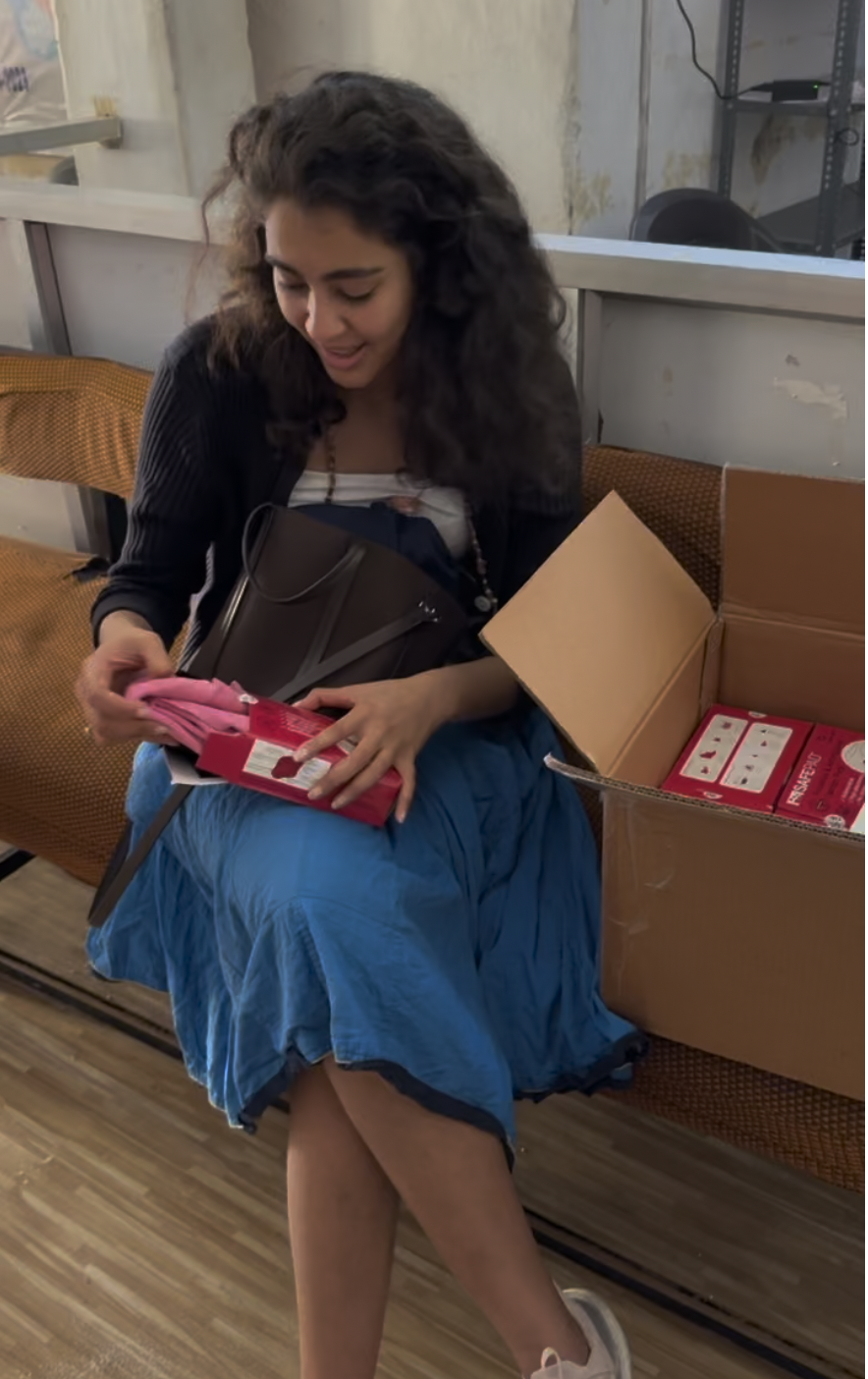
3. Product Introduction: Introduced SafePads - reusable menstrual pads made with nano-technology that dry quickly indoors, eliminating the need to hang them outside and protecting girls' privacy and dignity.
4. Economic Empowerment: Each SafePad pack purchase generates Rs. 55 income for local women who sew the products, creating sustainable employment opportunities.
SafePads: Product Innovation
SafePads represent a breakthrough in menstrual health for low-income communities:
- Nano-technology fabric allows pads to dry quickly indoors - no need to hang outside
- 1 pack contains 5 reusable pads that last 3-5 years
- Pays for itself in 6 months compared to buying disposable pads monthly from supermarkets
- Eco-friendly and sustainable - reduces waste and environmental impact
- Locally produced by women in the community, generating income and employment
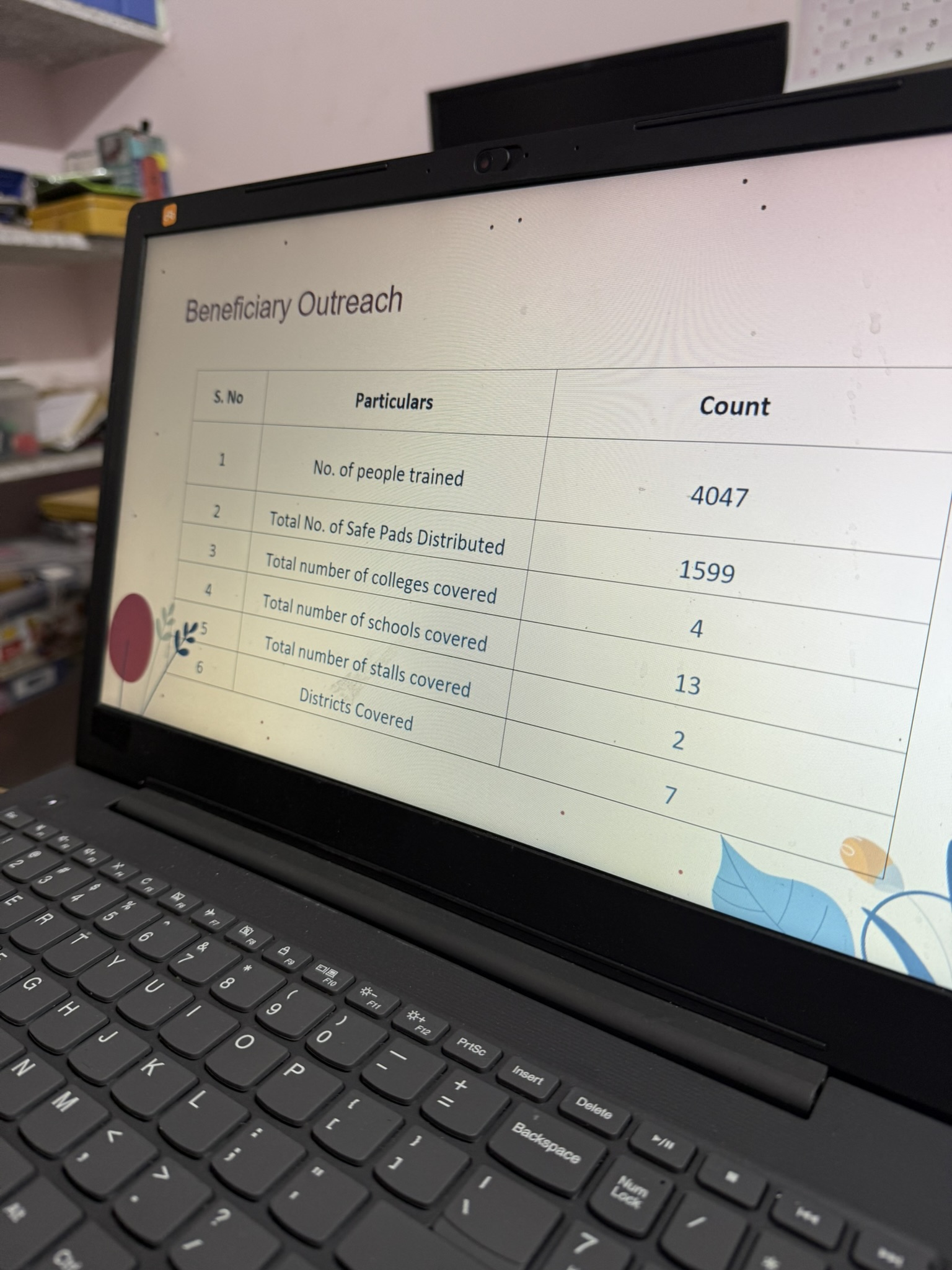
Measurable Impact
User Feedback & Stories
"For the first time, I was able to talk openly with my daughter about her period. SafePads have given her confidence to go to school every day of the month." - Mother, Community Participant
"I used to miss 3-4 days of school every month because I was embarrassed. Now with SafePads, no one knows, and I don't have to miss any classes." - 14-year-old Girl, Program Beneficiary
Social Impact & Scalability
The Seven Bites-SafePads collaboration demonstrates how design thinking can address complex social challenges:
- Breaking Stigma: Created safe spaces for conversations that shift cultural norms around menstruation
- Economic Empowerment: Generated sustainable income for local women through SafePads production (Rs. 55 per pack)
- Education Access: Enabled girls to stay in school, reducing dropout rates and improving long-term opportunities
- Environmental Sustainability: Replaced disposable products with reusable alternatives, reducing waste
- Scalable Model: Program framework can be replicated in other districts and countries with similar challenges
Partnership & Community Building
This project showcases Seven Bites' commitment to using food and community as catalysts for social change. By partnering with established organizations like Periamma, the impact extends beyond individual workshops to systemic change.
What This Taught Me as a Founder
What started as personal projects rooted in my grandmother's kitchen has evolved into a holistic entrepreneurial system. These projects have taught me that values-driven businesses require rigor, strategic design, and intentional business planning. They've also shown me that entrepreneurship isn't just about innovation or profit - it's about creating value for communities, staying true to purpose, and building something that can scale without losing its soul. Cooking with intention taught me to consider its broader impact - and that mission-driven businesses can be both sustainable and scalable.